
Engaging Patients Through Effective Email Marketing Strategies
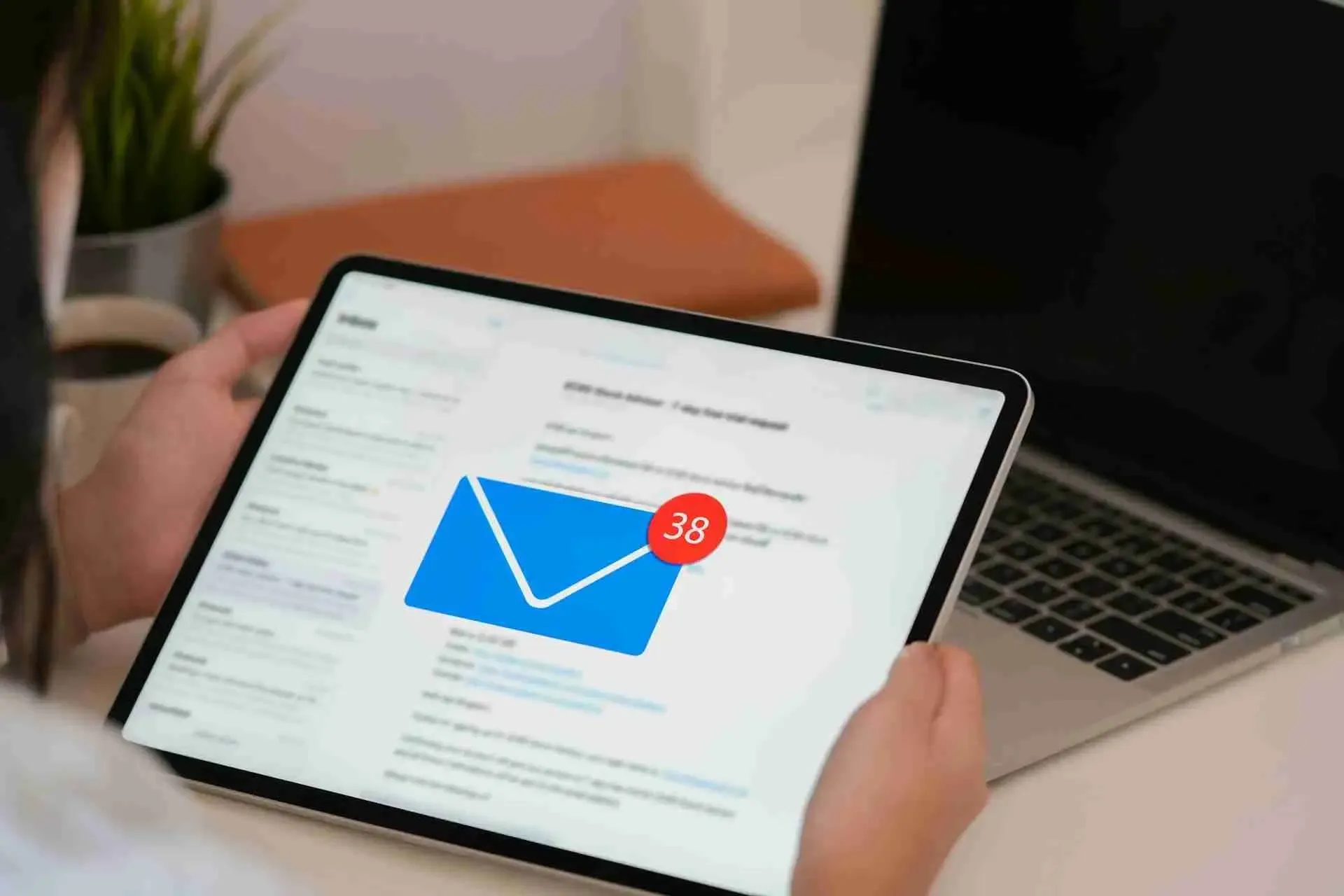
Email marketing is a powerful tool for engaging with your patients in ways that feel both personal and direct. Email allows medical practices to maintain consistent communication with their patient base, whether you’re sending out reminders, sharing important updates, or offering health tips. This not only keeps your clinic top-of-mind for patients but also builds a sense of trust and reliability. For medical practices in Akron, Ohio, leveraging email marketing can foster deeper relationships within the community and improve patient retention, thereby enhancing overall practice success.
Incorporating content marketing in healthcare through email helps establish credibility by providing valuable information tailored to patient needs. By delivering relevant content, you can demonstrate your expertise and commitment to patient care, making your practice the go-to source for health information. Additionally, email marketing allows for personalized messaging that can address specific patient concerns or interests, enhancing their satisfaction and loyalty to your clinic.
Building a Strong Email List
Creating a robust email list is the foundation of successful email marketing. Start by gathering patient emails through ethical avenues like appointment bookings, online registration forms, and patient surveys. These methods ensure that consent is received while providing accurate contact details.
Once you’ve compiled a list, it’s crucial to segment it based on patient demographics, preferences, or past interactions. Segmenting the list allows you to target communications more precisely, increasing the likelihood of patient engagement. Tailor your emails to specific groups within your list to ensure each message resonates effectively.
To maintain an up-to-date email list, consider these strategies:
– Regularly update contact information: Verify email addresses during patient visits or through online patient portals.
– Opt-in confirmations: Use double opt-in methods, where patients confirm their subscription through follow-up emails, ensuring active engagement.
– Comply with privacy regulations: Stay informed about laws like the Health Insurance Portability and Accountability Act (HIPAA) to handle patient information responsibly.
By taking these steps, you ensure that your email list remains a powerful and compliant tool for communication, enabling you to engage your patients in meaningful and targeted ways.
Crafting Compelling Email Content
It’s important to focus on creating engaging and informative email content to capture and hold a patient’s attention. Start by crafting subject lines that are clear and inviting. A good subject line gives patients a reason to open the email and explore its contents. Aim for simplicity mixed with curiosity to drive engagement.
Within the email itself, offer valuable content that meets the specific needs of your patients. Structuring your emails with clear sections can be particularly helpful. For example, include:
– Appointment Reminders: Timely notifications reminding patients of upcoming visits.
– Health Tips: Easily digestible advice relevant to the patient’s current health considerations.
– Practice Updates: Keep your patients informed about new services or changes in your practice.
Personalization plays a key role here. When emails address patients by name and reference their specific concerns or past visits, they feel more personalized and less like mass communication. Personalization increases the chances that emails will be opened and improves patient satisfaction.
Automating Email Campaigns
Implementing email automation can significantly ease the process of managing communication with your patients. Automation tools help send the right emails to the right patients at the right time, all without lifting a finger. By using these tools, you can design workflows that cover various patient interactions.
Set up automation for routine communications like appointment confirmations, follow-up reminders, or feedback requests. Here’s how automation contributes value:
– Consistency: Maintain a reliable schedule for sending important information without relying on manual input.
– Time-Saving: Automation reduces the need for repetitive tasks, freeing up time for more personalized patient interactions.
– Reliability: With automation, you minimize the risk of human error, ensuring that each patient receives the information they need.
Analyzing and Improving Email Marketing Performance
Once your email campaigns are in motion, regularly analyze how they perform. Tracking key metrics such as open rates, click-through rates, and response rates gives valuable insights into patient engagement. As you gather this data, use it to refine your approach.
Identifying which types of content or which subject lines perform best can help you adjust your strategy to maximize impact. Also, use this data to experiment with new approaches, like varying email frequency or tweaking content types. Learning from what works and adjusting as needed ensures that your email marketing remains effective.
Bringing It All Together for Your Practice
Email marketing offers immense benefits for healthcare practices seeking to strengthen patient relationships. By crafting compelling content, using automation effectively, and continuously refining your approach, you create a robust communication channel that supports patient engagement and loyalty.
Embrace these strategies to keep your practice relevant and helpful in the eyes of your patients. With thoughtful and well-executed email marketing campaigns, your practice can build strong connections with patients, ensuring they feel valued and informed every step of the way.
To deepen your patient engagement and solidify your practice’s online presence, consider focusing on strategies that integrate content marketing in healthcare. Visit You Got This Marketing to explore how our services can help your practice offer valuable and personalized content, fostering stronger connections with your patients. By leveraging content marketing, your practice can enhance credibility and ensure patients feel consistently informed and appreciated.