Boosting Patient Engagement with Social Media

Social media has become an indispensable tool for healthcare practices looking to engage with patients. It offers a unique platform for communication, education, and community building. By strategically using social media, you can reach a broader audience and foster stronger relationships with your patients.
The key to successful patient engagement through social media lies in understanding what content resonates with your audience. You can enhance patient satisfaction and loyalty by providing valuable information and prompt responses to questions. Social media platforms like Facebook, Instagram, and LinkedIn offer different ways to connect, whether through posts, videos, or interactive content.
Additionally, social media allows you to humanize your practice and showcase your expertise. Sharing patient testimonials, health tips, and behind-the-scenes glimpses of daily operations can build trust and credibility. This approach improves engagement and makes your practice more relatable to current and potential patients.
Understanding the Impact of Social Media on Patient Engagement
Social media has become a powerful tool for engaging with patients. It allows you to share health tips, clinic updates, and patient success stories directly with your audience. This interaction helps build community and trust around your practice, encouraging patients to stay connected and informed. When patients feel engaged, they are more likely to share their positive experiences and recommend your services to others.
Engaging with patients through social media also provides an opportunity to address any concerns or questions they might have. It shows that you are approachable and responsive, which can significantly enhance your practice’s reputation. Moreover, active participation on social media helps you stay top-of-mind for current and potential patients, making it easier to attract and retain them.
Choosing the Right Social Media Platforms for Your Practice
Selecting the appropriate social media platforms is crucial for maximizing patient engagement. Each platform has its own unique strengths and audience demographics. For instance, Facebook is excellent for reaching a broad demographic, sharing updates, and hosting events. Instagram, with its visual focus, is perfect for posting images of your office, team, and patient testimonials. Stories are also used for quick updates.
LinkedIn is ideal for professional networking and sharing informative blog posts or articles related to healthcare. Twitter can be used for quick updates and real-time patient conversations. YouTube is great for sharing informative videos, such as health advice, procedure explanations, and patient testimonials. By choosing the right platforms, you can effectively reach your target audience and foster stronger relationships with your patients.
Creating Compelling Content to Connect with Patients
Creating engaging content is key to connecting with patients on social media. Start by sharing informative and relatable posts that address common health concerns and questions. For example, you can post articles about seasonal health tips, explain complex medical conditions in simple terms, or share patient success stories (with their permission). Visual content, such as images and videos, tend to attract more attention, so consider creating short videos demonstrating health tips or introducing your staff.
Interactive content such as polls, quizzes, and Q&A sessions can greatly enhance patient engagement. Use these tools to gather feedback, answer questions in real-time, and make patients feel involved. Content highlighting community involvement, such as your practice participating in local events, can also foster a sense of connection and trust. By consistently posting valuable and engaging content, you strengthen your relationship with current and potential patients, making them more likely to engage with and choose your practice.
Measuring and Analyzing Social Media Engagement to Improve Strategies
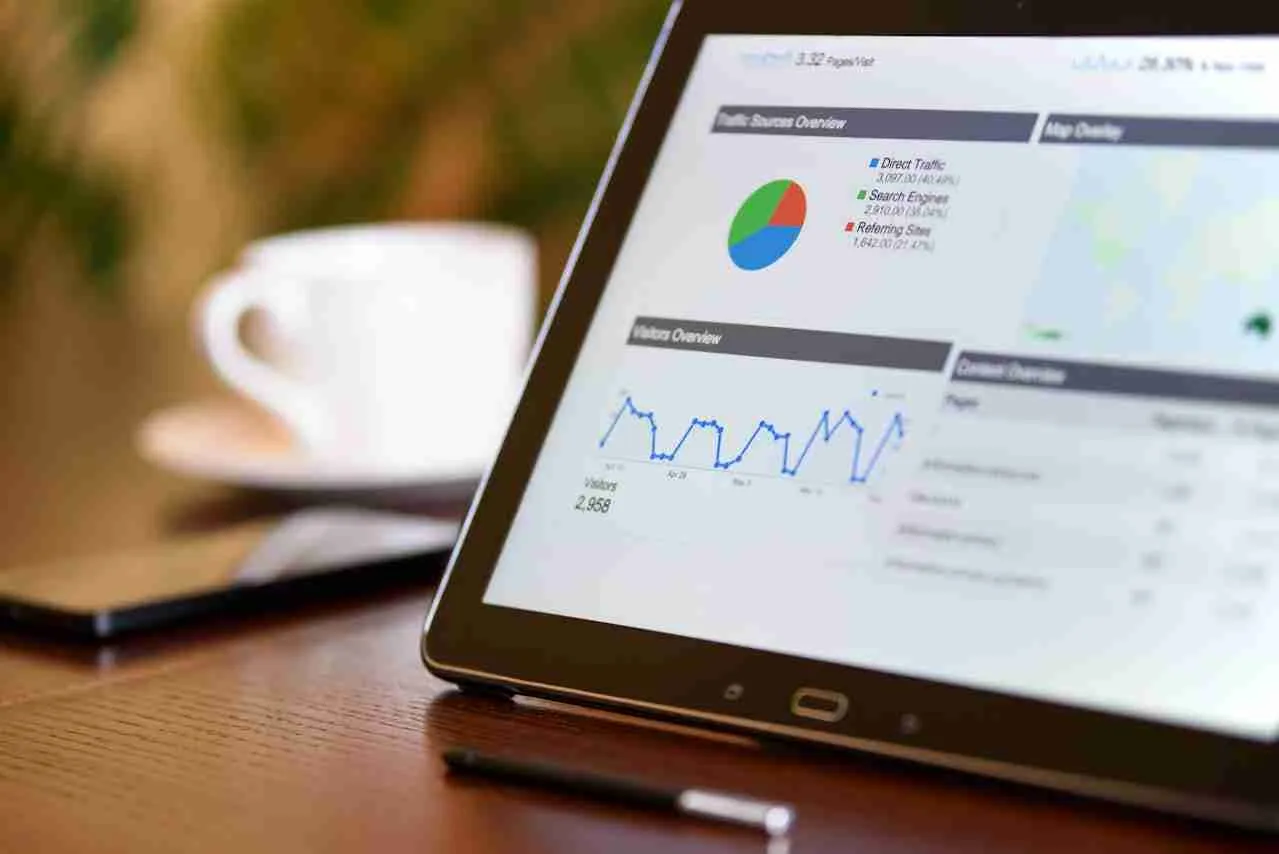
To effectively use social media for patient engagement, it’s essential to measure and analyze your performance. Start by tracking key metrics such as likes, comments, shares, and follower growth using social media analytics tools. These metrics provide insights into what types of content resonate most with your audience. Additionally, monitor engagement rates to see how actively your audience interacts with your posts.
Analyze the data to identify trends and patterns. For instance, if you notice that posts about preventive care receive the most engagement, consider creating more content around that topic. Also, track the times of day when your posts receive the highest engagement and schedule future posts during those peak times. Regularly reviewing and adjusting your social media strategy based on these insights will help you maximize patient engagement and improve your overall marketing efforts.
Conclusion
Harnessing the power of social media can significantly enhance patient engagement in medical practices. By understanding the impact of social media, choosing the right platforms, creating engaging content, and measuring your results, you can effectively connect with current and potential patients. Social media offers a unique way to build trust, educate your audience, and foster a strong sense of community around your practice.
At You Got This Marketing, we specialize in helping healthcare practices develop and implement effective social media strategies. Whether you need help choosing the right platforms, creating compelling content, or analyzing your social media performance, we can support you. Contact us today to learn how we can help you connect with more patients and grow your practice through the power of healthcare marketing. Let’s achieve your marketing goals together!